Mango Dream Font: Bringing Warmth to Your Brand
In the crowded landscape of modern typography, finding a typeface that feels genuinely personal can be a challenge. You want something that stands out, but you also need something that communicates warmth and reliability. This is where the Mango Dream Font enters the conversation. It isn't just another script font; it is a carefully crafted handwritten font designed to bridge the gap between casual charm and professional elegance. If you have been searching for a creative font that feels like a friend’s handwriting rather than a machine’s output, this typeface deserves your attention.
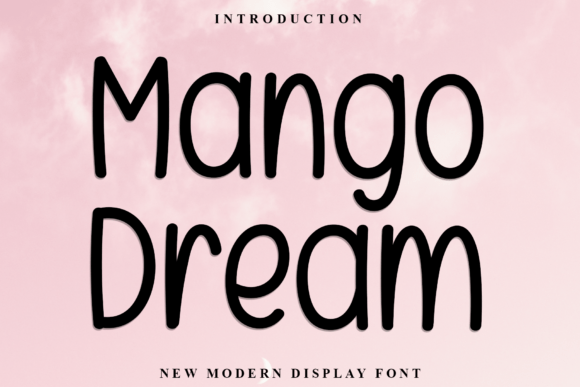
The visual character of Mango Dream Font is defined by its fluidity. Unlike many display fonts that rely on sharp angles or rigid structures, this font utilizes soft, rounded strokes that mimic the natural flow of ink on paper. The letterforms possess a distinct organic quality, featuring subtle variations in weight that make the text feel alive. It carries a timeless aesthetic; it doesn't lean too heavily into trendy retro styles or futuristic minimalism. Instead, it offers a balanced, lovely aesthetic that works just as well for a vintage-inspired bakery logo as it does for a modern lifestyle blog. It is a premium font that manages to feel accessible, making it a versatile design asset for creators across various industries.
The Anatomy of a Versatile Handwritten Font
When you look closely at the Mango Dream Font, you notice the small details that elevate it above standard free fonts. The connections between letters are handled with care, ensuring that the script flows without becoming illegible. The kerning—the spacing between individual characters—is adjusted to maintain a comfortable reading rhythm. This attention to detail is what separates a professional typeface from a hobbyist’s attempt. The font includes a full set of uppercase and lowercase letters, numbers, and punctuation, ensuring that you have the tools necessary for complex editorial design projects.
One of the most significant strengths of this handwritten font is its ability to establish a specific mood. Typography is the voice of your design, and the Mango Dream Font speaks with a soft, confident tone. It is perfect for projects that require a human touch. For example, if you are a small business owner creating product labels, this font can instantly make your packaging feel artisanal and handcrafted. It suggests that care and attention went into the product itself. For social media graphics, it cuts through the noise of standard sans-serif text, drawing the eye to quotes, announcements, and calls to action.
Strategic Applications: From Logos to Packaging
Understanding where to apply a script font is just as important as choosing the right one. The Mango Dream Font shines brightest in specific contexts where personality is a priority over raw data density. It is not the font you want for your body text on a technical report, but it is arguably the best choice for the header of a wedding invitation or a hero image on a website.
Here are practical areas where this font excels:
- Logo Design: The font creates memorable wordmarks. Its unique letter shapes ensure that your brand identity is distinct. It works exceptionally well for boutique shops, creative agencies, and lifestyle brands.
- Packaging Design: Use it for headers on labels. It pairs beautifully with neutral backgrounds, giving products a premium, shelf-ready look.
- Web Design: Use it for H1 or H2 headings to break the monotony of sans serif fonts. It adds a layer of sophistication to landing pages.
- Editorial Design: Magazine pull quotes and chapter titles come alive with this script font. It provides a nice contrast to dense body copy.
However, successful implementation requires context. A creative font like Mango Dream Font should be used strategically to highlight key information. If you overuse it, you risk diluting its impact. Think of it as a spice in a recipe; a little goes a long way to enhance the flavor of your design.
Mastering Font Pairing and Visual Hierarchy
A common mistake in modern typography is using a display font in isolation. To truly make Mango Dream Font work for you, you need to master the art of font pairing. Because this font has a distinct personality, it pairs best with something neutral and grounded. You want a supporting actor that lets the star shine without fighting for the spotlight.
The Serif Companion: Pairing Mango Dream Font with a classic serif font (like Garamond or a modern transitional serif) creates a look that is traditional yet approachable. This combination is excellent for wedding stationery, high-end lifestyle blogs, and editorial spreads. The serif font provides structure, while the handwritten font adds emotion.
The Sans Serif Companion: For a cleaner, more contemporary vibe, pair it with a geometric sans serif font. This contrast is stark but effective. The clean lines of the sans serif ground the organic shapes of the Mango Dream Font. This combination is widely used in web design and app interfaces, where readability of the secondary text is crucial.
Technical Considerations for Professional Use
Before integrating any font into a professional workflow, you must evaluate the technical aspects. Mango Dream Font is designed as a commercial font, meaning it comes with the necessary licensing for business use. This is a critical distinction for entrepreneurs and agencies. Using unlicensed fonts can lead to legal headaches down the road. Always ensure you have the correct license for your specific use case, whether it is for a client’s logo or your own merchandise.
Furthermore, consider the medium. If you are working in packaging design, you need to test how the font renders at very small sizes. While Mango Dream Font is legible for a script, very thin connections can sometimes get lost in low-resolution printing. Always print a test swatch. For web design, check the load times and ensure the font files are optimized for fast rendering.
Ultimately, the Mango Dream Font is more than just a collection of glyphs; it is a tool for storytelling. It allows designers, marketers, and hobbyists to inject a sense of humanity and warmth into their projects. By using it thoughtfully—balancing its expressive nature with solid typography fundamentals—you can create designs that not only catch the eye but also hold the viewer's attention. It is a valuable addition to any designer's toolkit, offering a timeless charm that adapts to the changing trends of the creative industry.